Glass Ornaments Blog
Handcrafted Glass Blown Christmas Ornaments
The Art of Traditional Glass-Blown Christmas Ornaments
Handcrafted Glass Blown Christmas Ornaments
The twinkling lights of a Christmas tree adorned with delicate glass ornaments have been a cherished sight for generations. These handcrafted treasures not only decorate our homes but also carry with them centuries of tradition, artistry, and cultural significance. In this article, we’ll explore the enchanting world of traditional glass-blown Christmas ornaments, celebrating the craftsmanship behind these delicate works of art and their enduring appeal in holiday traditions.
The Rich History of Glass-Blown Ornaments
The story of handcrafted glass blown Christmas ornaments begins in the picturesque town of Lauscha, Germany, nestled in a region rich with the raw materials needed for glassmaking. Legend has it that around 1600, a glassblower named Hans Greiner, unable to afford apples to decorate his family’s Christmas tree, ingeniously crafted glass ornaments as a substitute. This creative solution would eventually blossom into a cherished tradition that has lasted for centuries.
It wasn’t until the mid-19th century that glass ornaments began to resemble the ones we know today. In 1847, Hans Greiner, a descendant of the original innovator, developed a technique for producing “mercury glass” or “silvered glass” ornaments[1]. These ornaments were created by blowing glass into molds and then coating the interior with a silvering solution, resulting in the reflective sheen we associate with classic Christmas baubles.
The Artistry of Handcrafted Glass Blown Christmas Ornaments
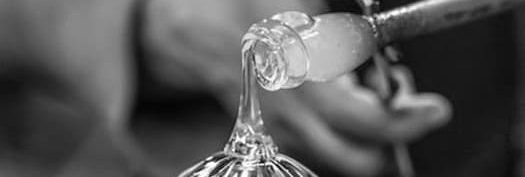
The creation of hand-blown glass ornaments is a testament to human skill and creativity. The process begins with a glassblower gathering molten glass on the end of a blowpipe. With precise breath control and deft hand movements, the artisan shapes the glass into the desired form, often using molds to create intricate designs.
Once the basic shape is achieved, the real magic begins. Artisans may add colored frit (crushed glass) to create vibrant hues or intricate patterns. The ornament is then carefully separated from the blowpipe and can be further shaped using tools like blocks and jacks.
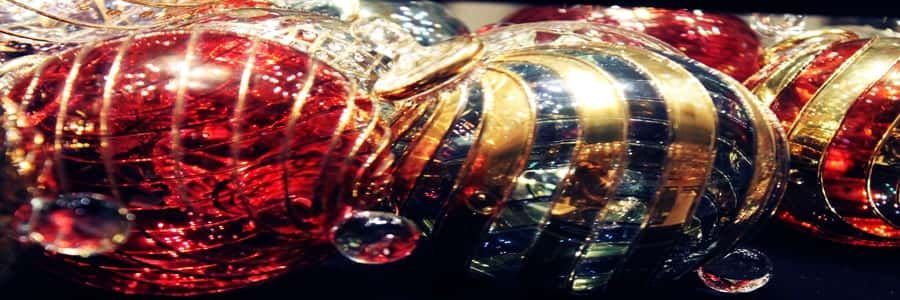
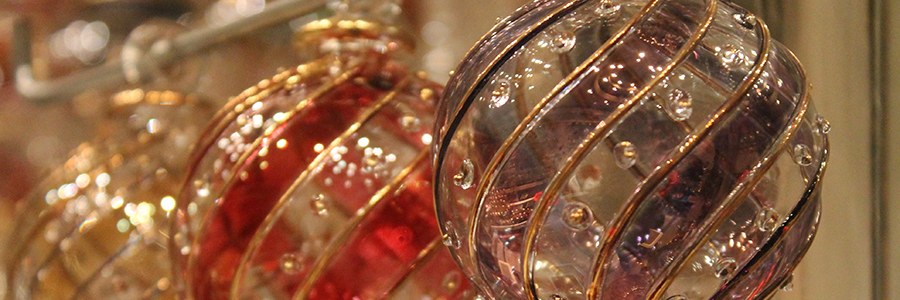
After cooling, many ornaments undergo a silvering process. Traditionally, this involved a mixture of mercury and tin; however, modern techniques use safer alternatives, such as silver nitrate solutions. Finally, skilled painters add delicate details by hand, transforming each ornament into a unique work of art.
Cultural Significance and Traditions
The tradition of hand-blown glass ornaments has deep roots in various cultures, particularly in Europe. In Poland, for example, these ornaments are not just decorations but a cherished part of the country’s cultural heritage. Polish glass ornaments often feature classic motifs like stars, snowflakes, and religious symbols, each telling a story tied to Christmas traditions.
The craft of making these ornaments has been recognized for its cultural importance. In 2020, UNESCO inscribed the “Handmade production of Christmas tree decorations from blown glass beads” on the Representative List of the Intangible Cultural Heritage of Humanity. This recognition highlights the specialized and technically demanding nature of the craft, which has been passed down through generations within families.
The Enduring Appeal of Handcrafted Glass Blown Christmas Ornaments​
In an age of mass-produced decorations, hand-blown glass ornaments continue to captivate holiday enthusiasts and collectors alike. Their enduring appeal lies in several factors:
- Uniqueness: Each hand-blown ornament is slightly different, making it a one-of-a-kind piece.
- Craftsmanship: The skill and artistry involved in creating these ornaments are evident in their quality and detail.
- Heritage: They connect us to centuries-old traditions and cultural practices.
- Sustainability: As eco-friendly alternatives to plastic decorations, glass ornaments are both beautiful and environmentally conscious.
Preserving the Tradition
While the art of hand-blowing glass ornaments faces challenges in the modern era, efforts are being made to preserve this cherished craft. In Lauscha, Germany, where it all began, artisans continue to produce ornaments using traditional methods. Museums and cultural institutions organize workshops to transmit the knowledge and skills to new generations.
Companies like Joyland Factory work with domestic bead makers to safeguard the tradition, offering a wide range of designs that blend traditional craftsmanship with contemporary aesthetics. By choosing hand-blown glass ornaments, consumers not only decorate their homes but also support artisans and help keep this beautiful tradition alive.
Conclusion
As we approach another holiday season, the allure of hand-blown glass Christmas ornaments remains as strong as ever. These delicate treasures are more than mere decorations; they are a link to our past, a celebration of human creativity, and a symbol of the warmth and joy of the holiday season. Whether you’re hanging a centuries-old family heirloom or selecting a new piece to start your tradition, each glass-blown ornament carries with it a spark of magic that has enchanted generations.
By choosing these handcrafted beauties, we not only adorn our trees but also become part of a living tradition that spans centuries and crosses cultures. So this year, as you decorate your home for the holidays, take a moment to appreciate the artistry and history behind each shimmering glass ornament. In doing so, you’ll be participating in a tradition that continues to bring light and beauty to our world, one carefully crafted bauble at a time.